

Having a Village, Being a Villager

Within my own circle of algorithms and opinions, I’ve been finding the notion of ‘having a village’ pop up in conversations more recently – having come from the phrase “it takes a village”. I find it interesting because this is an idea that, I believe, has been carefully nudged out of the way to make room for boundaries.
‘Boundaries’ is arguably one of the few words that define the new generation of today. Understanding boundaries, finding our own boundaries, respecting someone else’s boundaries, setting boundaries. They came from a need to protect ourselves, to correct what had been hurting us as individuals and redress the balance that we need. Can I ask though, is there a chance we overcorrected and lost our community in the process?
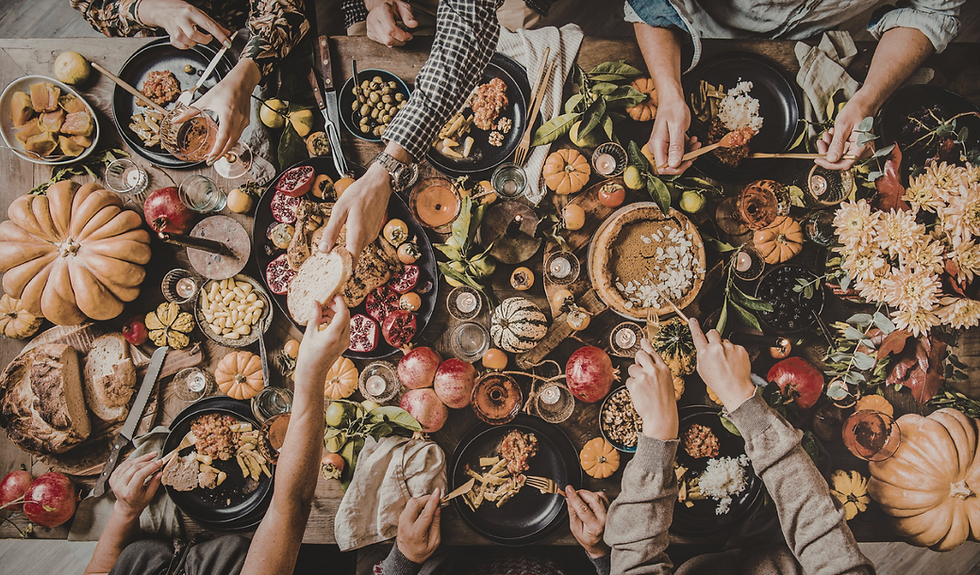
Western societies have implored us to put ourselves first in the name of prioritising our mental health and emotional wellbeing. We have been told that we don’t owe anyone anything, and that if we don’t look after ourselves, who will? Whilst the general idea of this is in line with the fundamentals of taking care of oneself, I’m curious if it has left any room for the community that once filled people’s lives.
You know what I mean, right? The community, the village, the support that you once found around you, that your parents found around them, that their parents found, and so on and so forth. The ones that would call you too many times just to chat. When it felt like every other week was an occasion that you just had to attend because it was so-and-so’s celebration. However, they would also be the people helping you move all your things to your new apartment when they were the ones who were exhausted from the day. Those who would pick you up from the airport even though it was out of the way for them, even though they didn’t have to. That is the village I speak of. When I was younger, we would go next door and ask for a teabag or some sugar if we had run out. Now, when I see my neighbours, I pretend I’m on the phone to avoid having a conversation with them. I can’t be the only one guilty of that.
Have we prioritised ourselves to the detriment of what was once our village?
Outside the scope of Western societies, we find the concept of ‘having a village' inherent to cultures around the world. Many cultures, such as African, Asian and South American, place emphasis on community, family networks and neighbourhood support. These deep-rooted, long-lasting relationships rely on the mutual and proactive nature of helping others out. Insisting on family staying the night if they are visiting nearby, or never letting a guest leave their home with an empty stomach. Daily visits to the hospital when a loved one is unwell, or ensuring that the duties of caring for one another stay within the family rather than resorting to babysitters or care homes as a first option. This extends into traditions, rituals and festivals seen throughout generations, underpinned by the concept of bringing your ‘village’ together.
Everyone wants a village, but when was the last time you behaved like a villager and actually showed up for people, even though it inconvenienced you?
I am not questioning boundaries, merely how they are being applied. Western ideals have glamorised the hyper-independency of being a person. We have become more comfortable than ever to opt out of showing up, whether reasonably or reflexively. That kind of rhetoric has taken the definition of being a ‘good friend’ and added ‘when convenient’ at the end of it.
Yet, we wonder why we find ourselves feeling lonelier than we should at times. Casual plans are an unheard-of concept nowadays. Everything is scheduled 4-6 weeks in advance for a 2-hour lunch that will probably get rescheduled the night before anyway. We don’t see our friends or family nearly enough, and truthfully, that’s on us as much as it’s on them. Because, actually, you do owe the people around you something. Not everything, but something.
Boundaries are important and time for ourselves is a priority. But we have forgotten that the price of having a village is inconvenience. And those two things can be true at the same time.
Doing things that feel tiring or out of the way, because you want to show up for them, is becoming a forgotten form of love. We have put a gated fence around ourselves and wonder why we do not feel that neighbourly love that all the generations before us felt.
So, yes, take an evening to yourself, protect your peace, nourish your mind – but don’t forget to pour love into the circle around you, even when it might not be ideal.



Comments